
Art. Life. Place. - A Blog

Shock and Awe: Electrofishing the Childs River
On a September morning, I joined fisheries biologist Steve Hurley of the Massachusetts Division of Fisheries and Wildlife near Waquoit Bay on Cape Cod. I had been invited to participate in one of the state's biannual electrofishing surveys on the Childs River. The Childs River once teemed with brook trout, but by the early 2000s they were nearly gone. After almost twenty years of conservation efforts, including a large-scale restoration project to remove a dam and abandoned cranberry bogs, the river is coming back to life. The survey would provide a sense of just how well it’s doing. While there were promising signs of recovery, challenges still remain. The Childs River restoration project demonstrates the power of conservation and the importance of protecting our natural resources. Ongoing monitoring and adaptive management are crucial for ensuring the long-term health of the river and its fish population.

Changes
Here in my backyard on Cape Cod, I've seen firsthand how abandoned cranberry bogs are being transformed back into healthy habitat for brook trout and other native species. This ignited a passion in me to use my scientific background to make a more direct impact. While donating art to conservation efforts was rewarding, I craved a deeper involvement. This spring, an opportunity arose to join the Association to Preserve Cape Cod as a restoration ecologist. I’ll now have an opportunity to work on fish passage and restoring rivers and bogs in the Waquoit Bay area and beyond. To make it work, I'll be scaling back some things at the Waquoit Bay Fish Company. The good news is that I'll keep creating new art. I'm truly grateful for your support, and excited about this next chapter for the Waquoit Bay Fish Company!

Unspoken Words
Too often things are left unsaid between fathers and sons. My inability to say it and show it doesn’t lessen the admiration, respect, and love that I have for my dad as a father and a friend. He’s been a role model and mentor, showing me what it is to be a great dad. I only hope that I can be half the dad to my kids that he has been to me. Wishing my dad the happiest of Father’s Days.
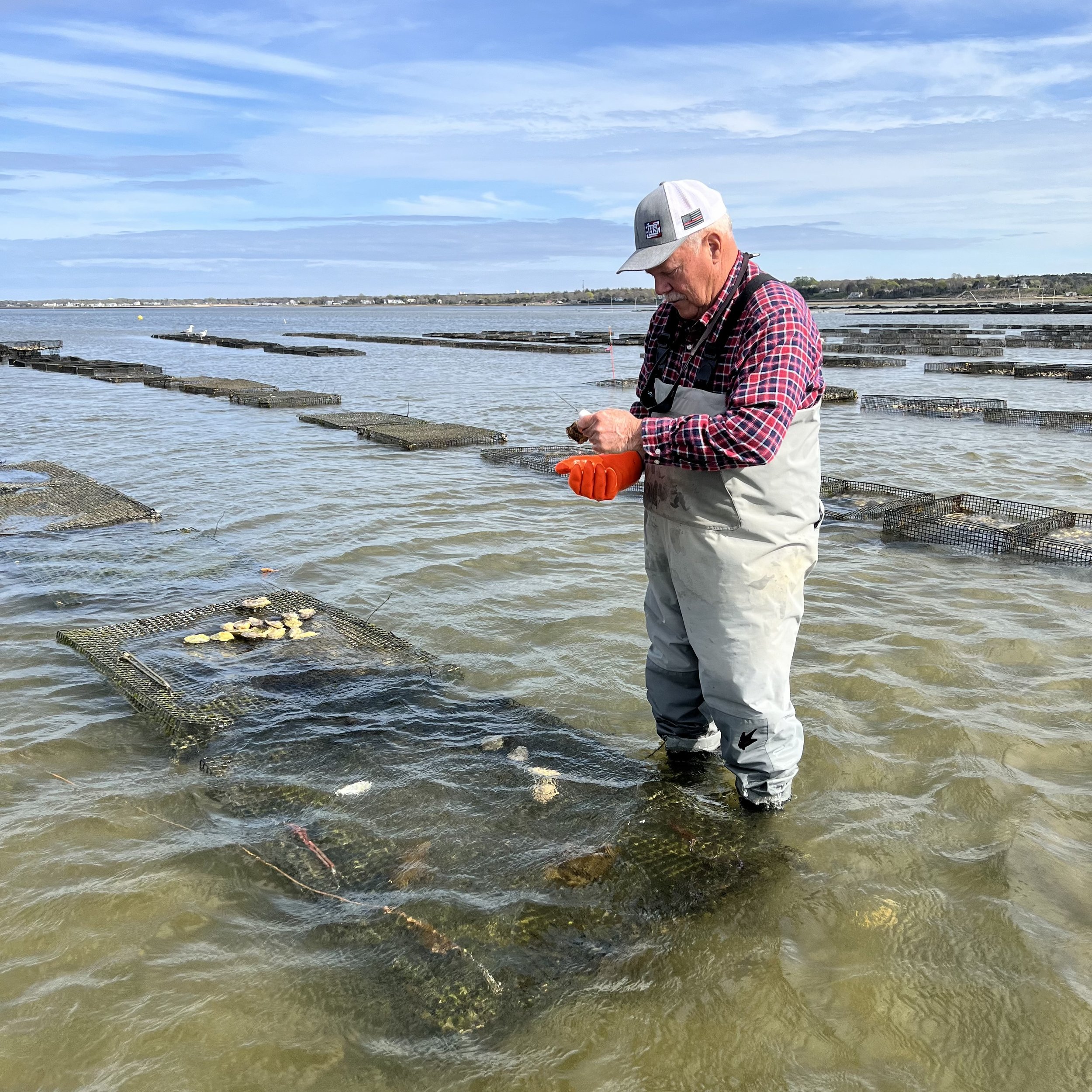
A Trip to the Farm: A Shucking Good Time
I journeyed to Barnstable Harbor on a beautiful May afternoon for a tour of Mark Begley’s shellfish farm. Here he and his team grow their Beach Point Oysters. Mark and I waded through the farm while he explained some of the finer points of oyster aquaculture and what makes for a quality oyster. We sampled a few of the oysters, savoring their briny sweetness and tasting the cold waters of the Gulf of Maine. It was my first tour of a shellfish farm, and it left a lasting impression about the care and work that goes into bringing this harvest to table.
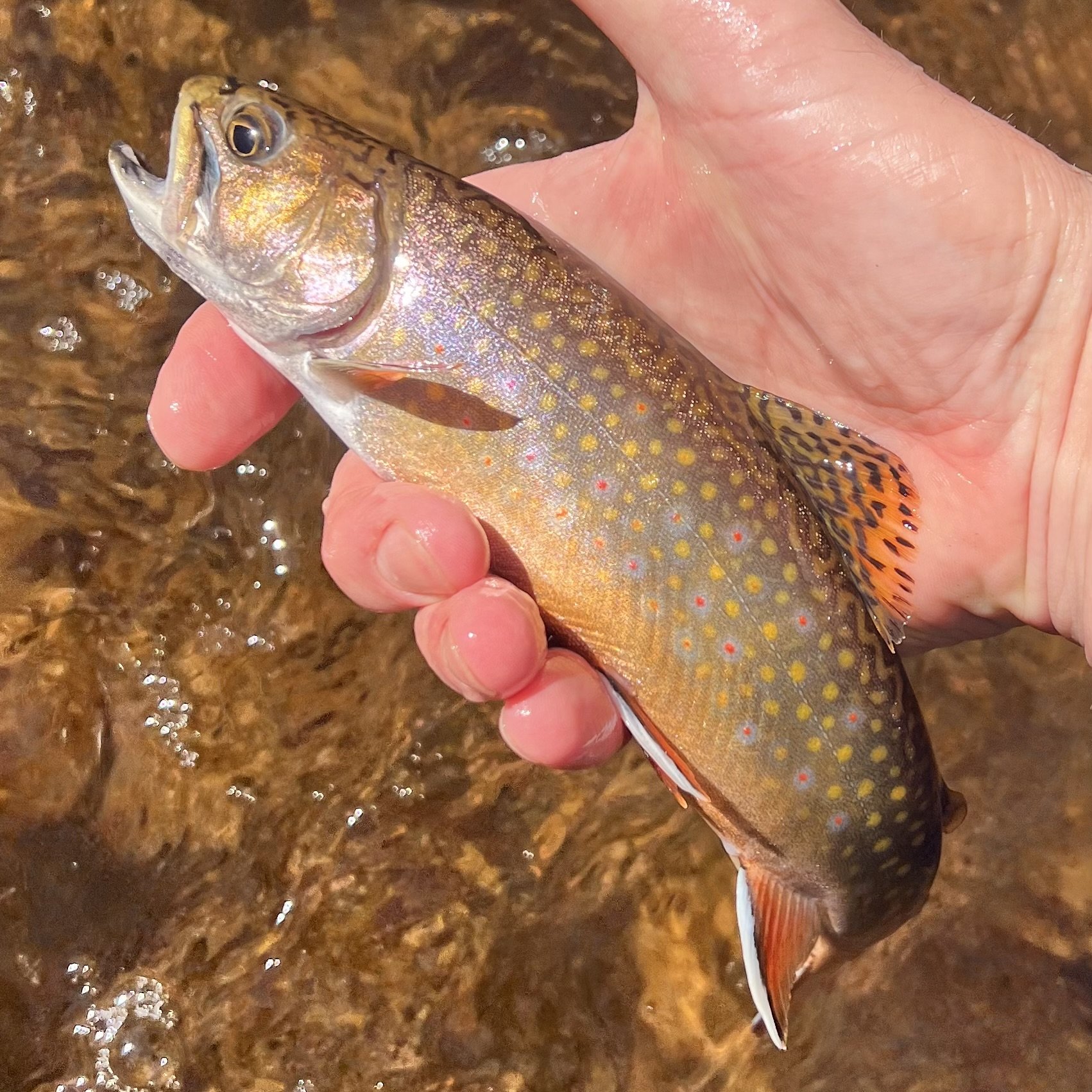
To the Mentors
This was the week that I learned to catch Cape Cod’s native sea-run brook trout. I started the pursuit of these unique and beautiful fish about a year ago. Until this week every outing has been met with frustration and failure. Dozens of outings, countless hours - not a single fish, barely a nibble. That was until a chance meeting with a river angel this past Tuesday. We bumped into each other in the parking lot at the trail head, negotiated our fishing locations on the river, and then he gave me a fly and said “Fish this.” And that has made all the difference.

Loosing Focus, Finding Form
Time is a thief, but it also whispers its stories in the wind. With age you learn to appreciate the journey, to find joy despite limitations, and that perfection is just a mirage. My ability to see the details in my art, once laser-sharp, has been loosening its grip as my aging eyesight fades. The blur forced me to slow down, to see the world in a new way. My attention has shifted from the details to the form. Drawing has become a meditative process, a way to turn inwards and let emotions guide the movement of my hand. This inward focus has added a new layer of expression to my art - something that was missing before. In the blur, I discovered not just a different kind of artist, but a richer, more compassionate human being. Life, I realized, wasn't about achieving perfect focus. It was about embracing the beautiful, messy blur. The world isn't something to copy, it's a masterpiece waiting to be experienced. And sometimes, a little lack of focus is needed to truly see it.

Diminishing Returns
Once a symbol of a healthy Cape Cod ecosystem, the annual springtime migration of river herring in Mashpee has dwindled due to human impact. Dams, pollution from runoff and inadequate wastewater treatment, development along waterways, and incidental bycatch threaten these fish. However, hope remains. Communities are actively working to restore herring runs by removing migration barriers, improving water quality, reducing bycatch and raising awareness. By supporting these initiatives, volunteering for stream monitoring, and adopting eco-friendly yard practices, you can be part of the solution. Witnessing the awe-inspiring herring run, which peaks between late March and mid-May, is a powerful reminder of the delicate balance of our coastal ecosystem and the importance of working together to preserve it.
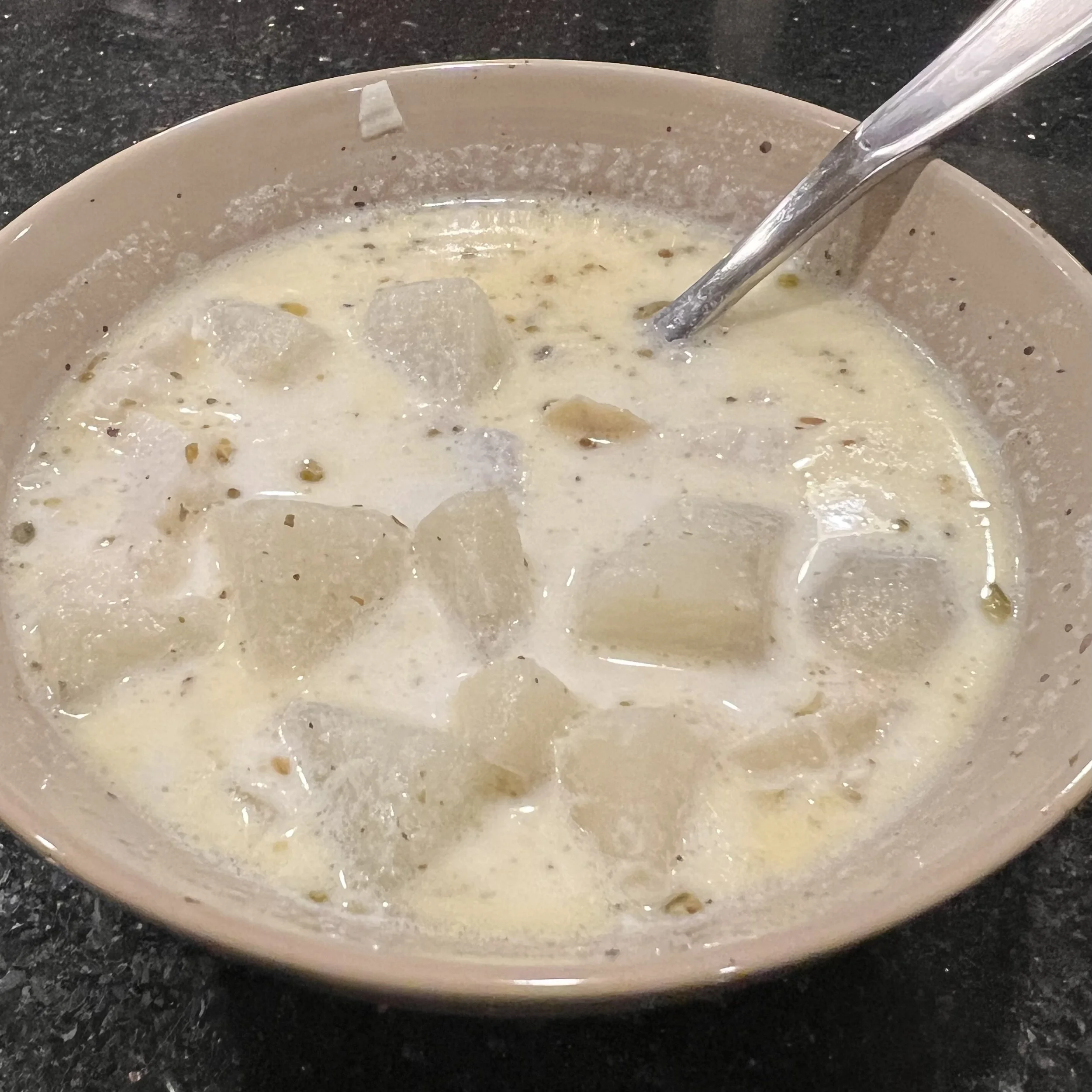
A Downeast Maine Fish Chowder
Fish chowder has a rich history, starting as a simple dish made with available ingredients by European immigrants in North America. It evolved regionally, embodying the yankee spirit of resourcefulness and adaptation. I learned this fish chowder recipe from my grandmother, a freeform cook who valued improvisation over strict instructions. This recipe is a framework, meant to be personalized, and adapted to new ingredients and locations - reflective of a place, and time. It's a starting point to create your own memorable version of this historic dish.
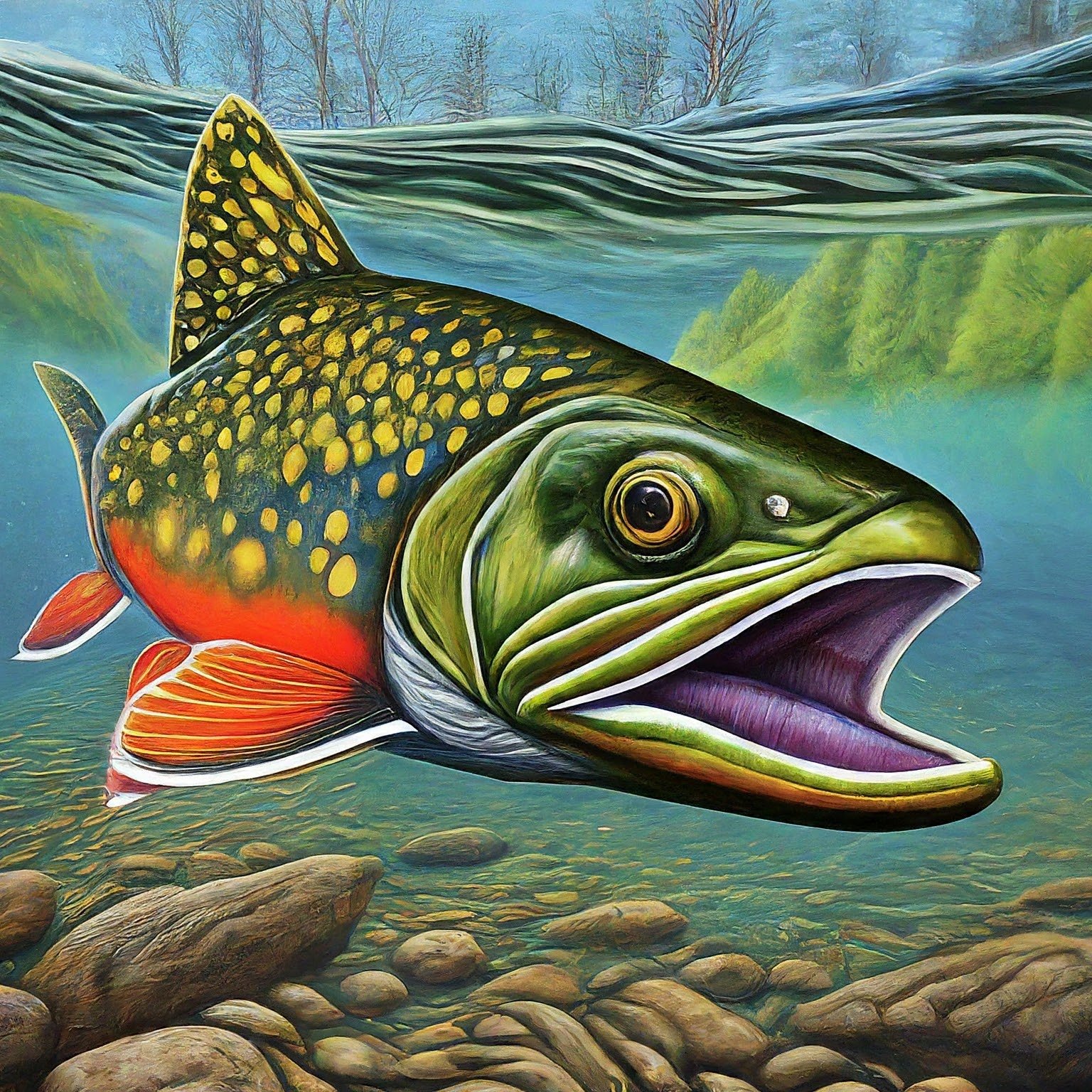
The Art of Artificial Intelligence
Among contemporary cultural topics, the advent of artificial intelligence has generated strong opinions while continuing to be poorly understood. Artificial intelligence is here and it’s not going away. There’s likely not a field or profession that won’t somehow be impacted by artificial intelligence over the next decade. While art and culture have long been the domain of the human experience, artificial intelligence is increasingly gaining a foothold in these disciplines. At what point does imagery become art? Is it art, or is it theft? What does this mean for art and artists?
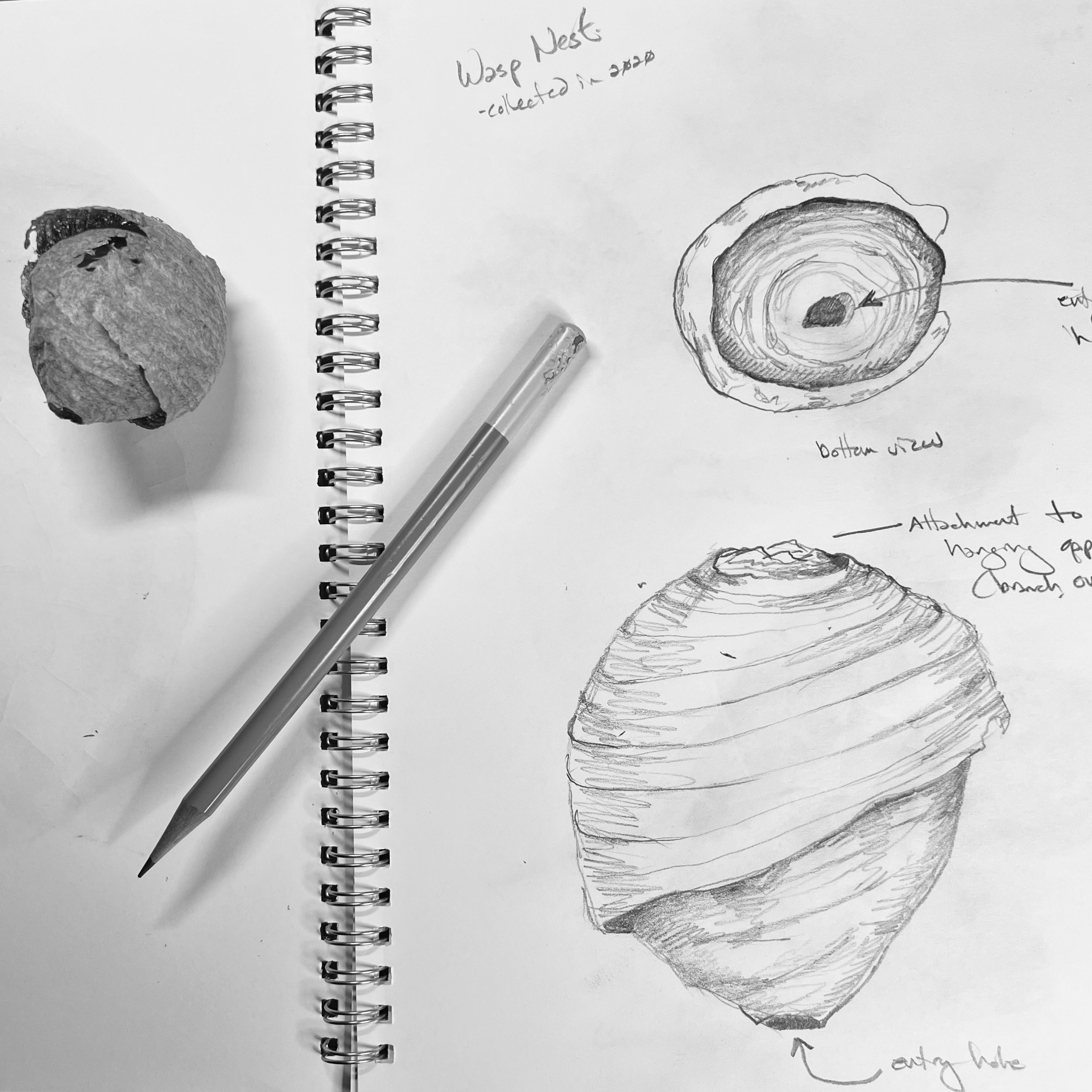
Science Scribbles: Connecting Mashpee Elementary Students to the World Around Them Through Nature Journaling
Through a grant from the Mass Cultural Council, the Waquoit Bay Fish Company is bringing the wonders of Mashpee's natural world into the local classroom. Using nature journals, students are using their senses to observe the world in their backyard through writing, drawing, and other creative expressions. This program fosters a deep connection between students and their environment, sparking curiosity, scientific inquiry, and a sense of community. It also integrates Mashpee's unique history and cultural heritage, teaching students about the importance of protecting their local natural resources. Ultimately, nature journaling is a transformative experience that equips students with the tools to appreciate and protect the natural world around them.
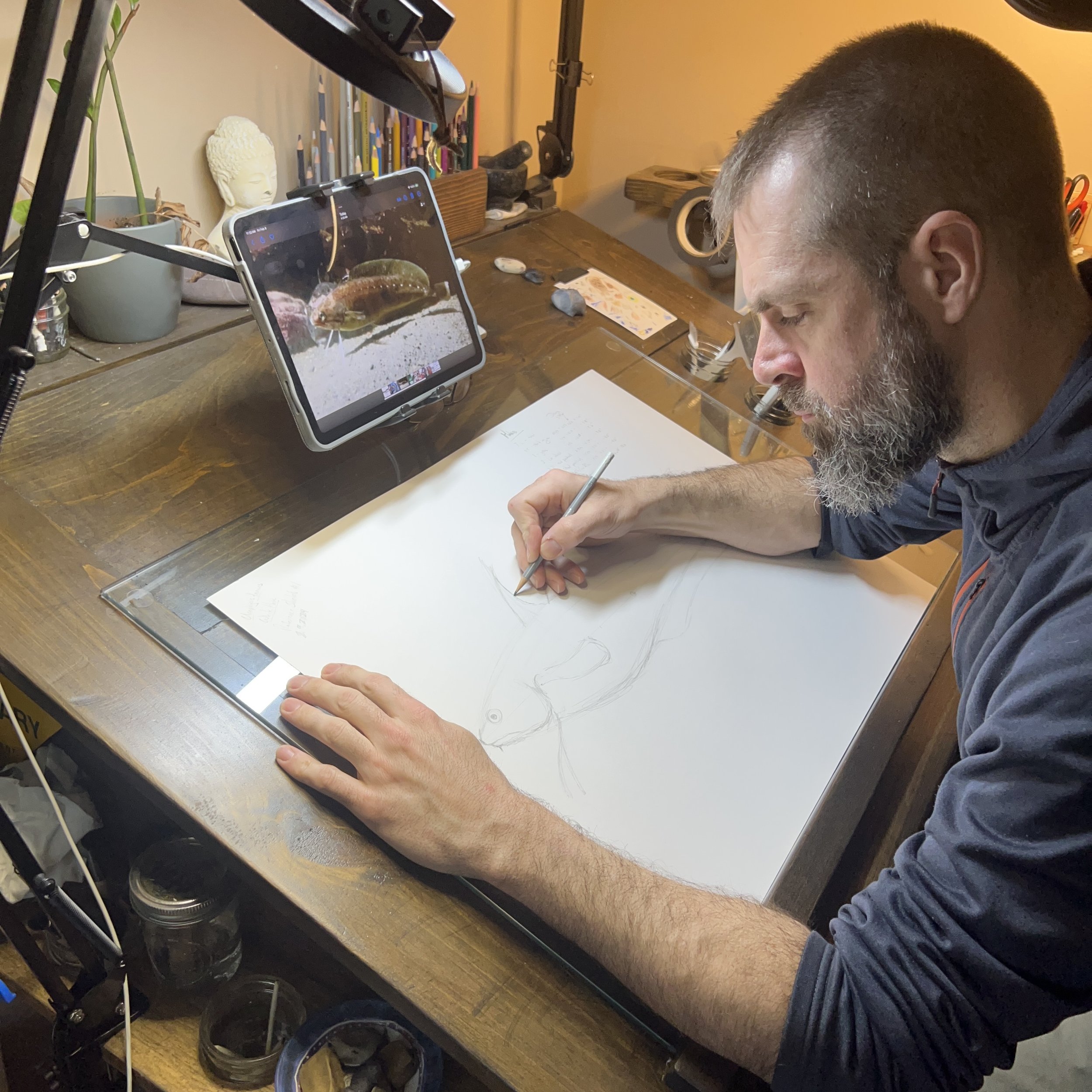
The Art of Self Belief
Several months ago, I entered the EforAll Cape Cod Business Accelerator Program. The Accelerator is a free, one-year program that provides immersive business training, mentorship and access to an extended professional network. It provides all of the building blocks for self-belief. The workshop and classes were safe harbor where vulnerability wasn’t a weakness, but shared scars of the entrepreneurial journey. EforAll became more than just mentors, business models, and spreadsheets; it was a community, a hand outstretched amidst the maze of self-doubt.
I entered the program lacking confidence, but together we built and navigated the uncharted waters of market research, and braved the waves of weekly progress check-ins. We fine-tuned our visions and our goals, but we moved forward - together. And in the end we emerged self confident entrepreneurs. EforAll wasn't just a program; it was a rite of passage. It was a testament of the boundless power of human potential. The power of self-belief.
The Rhythms of the Sea: Eating with the Seasons on Cape Cod
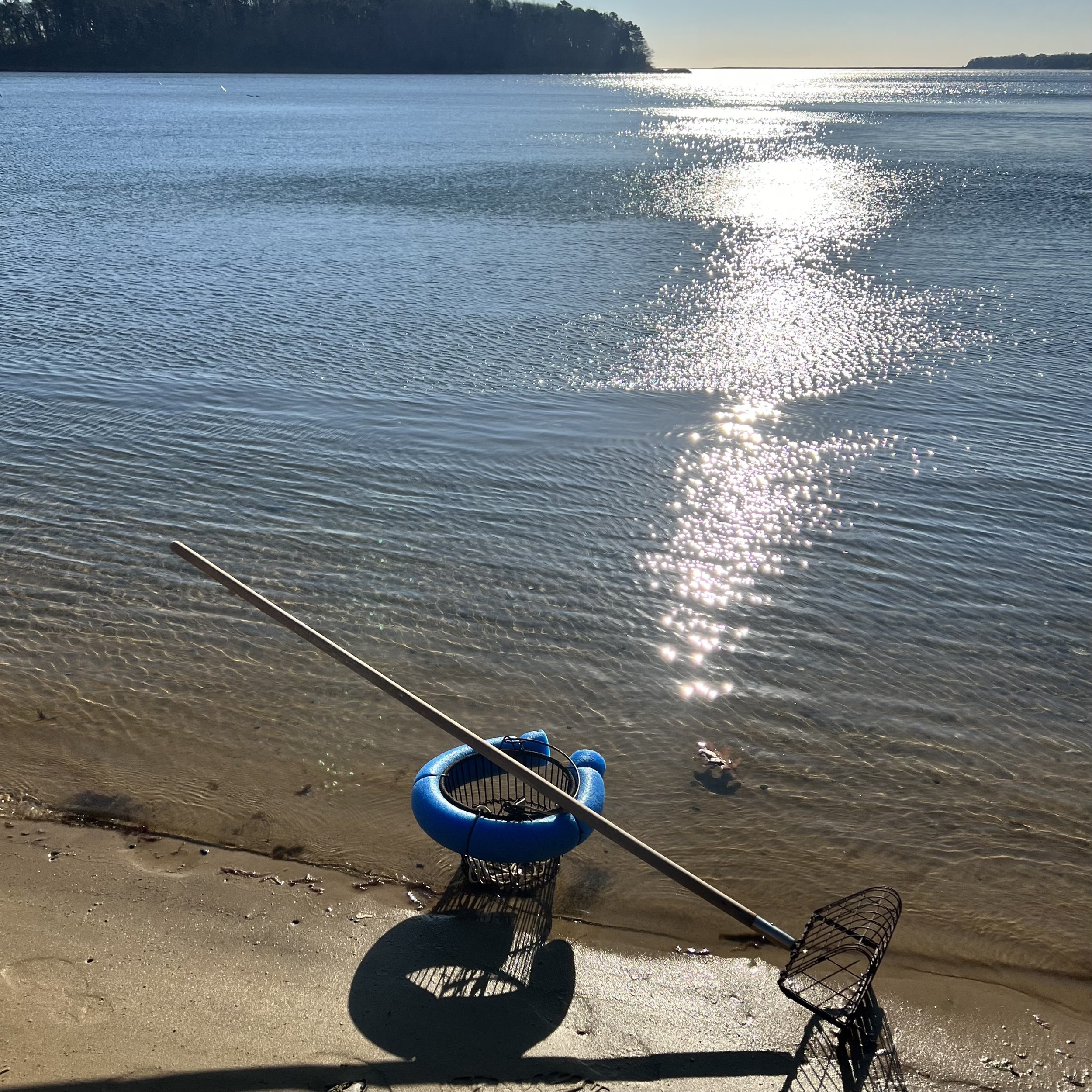
Beneath the quiet dawn of a December day, I joined other oystermen in Popponesett Bay, raking the mud for the winter bounty. Our unspoken camaraderie reflected a deep bond to the sea, a bond woven through generations by this time-honored Cape Cod tradition. More than mere harvest, it's a celebration of nature's rhythm, where the cooling winter waters heighten the unparalleled flavor of the oyster. This seasonal ebb and flow of the ocean’s gifts continues throughout the year, from the spring's surge of fish to summer's shellfish symphony and autumn's sweet bay scallops. Each bite, a connection to the land, the people, and the sea and a reminder of the timelessness of the relationship.
Tasting the Tides: Connecting with Place through Local Seafood
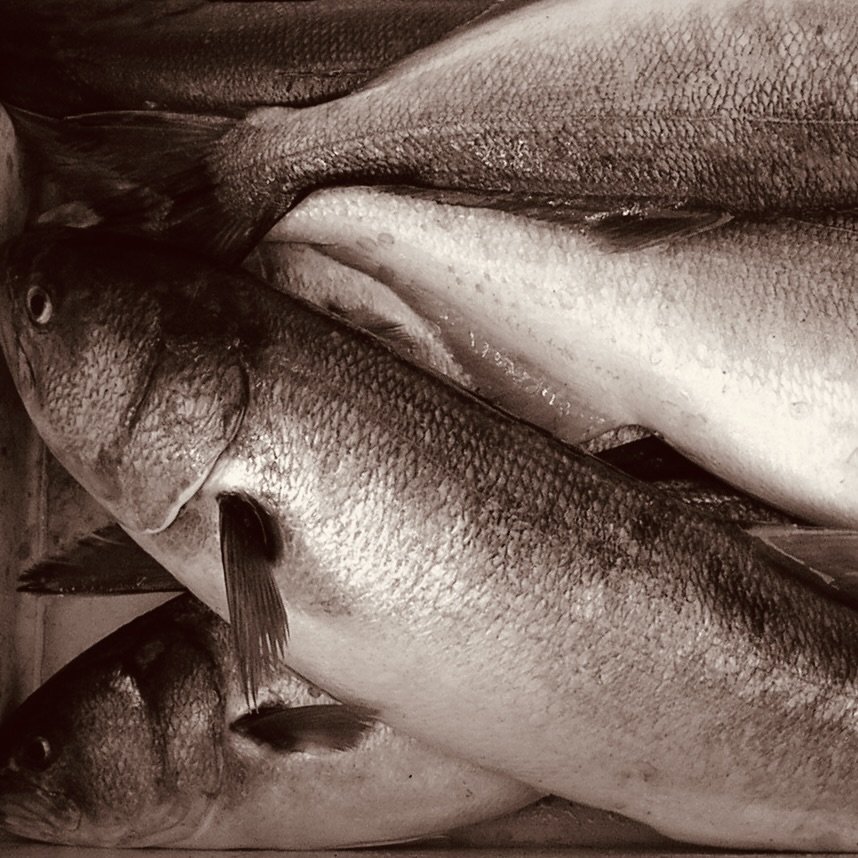
Eating local seafood isn’t just a culinary experience, it's a journey to the heart of a place. It is a celebration of the region's unique flavors, and a testament to the interconnectedness of people and their environment. Each bite of fresh, locally caught seafood, acquaints us with the place where it was harvested. We can taste the distinct minerals of the waters where the animal thrived, the briny tang of the local prey it consumed. The flavors of local seafood are deeply intertwined with the stories of the people who harvest it. We can hear their voices in the stories behind the dishes, their knowledge of the sea and its rhythms passed down through generations. In each mouthful of local seafood, we connect not just with the place where it was caught, but with the people who depend on it for their livelihoods, and the environment that sustains it all. It's a reminder that we are not separate from nature and place, but an integral part of it.

Getting to Good Enough
Perfectionism promises us success, happiness, and fulfillment. But it’s a liar. Perfectionism is a trap that will ultimately lead to failure and disappointment. It prevents us from taking risks, exploring our full potential, and enjoying the journey. Embracing the principle of ‘getting to good enough’ we let go of perfectionism and open ourselves up to a more authentic and fulfilling life. We learn to appreciate the beauty in the ordinary and to find joy in the journey, even when it’s not perfect. We accept our imperfections, celebrate our progress, and move on to the next challenge. The imperfections in our work are what make it interesting. They're the tales that tell us about ourselves and our journey. Each piece of original art tells us a story - an imperfect one about the artist, their art, and what happened during its creation.
On Gratitude
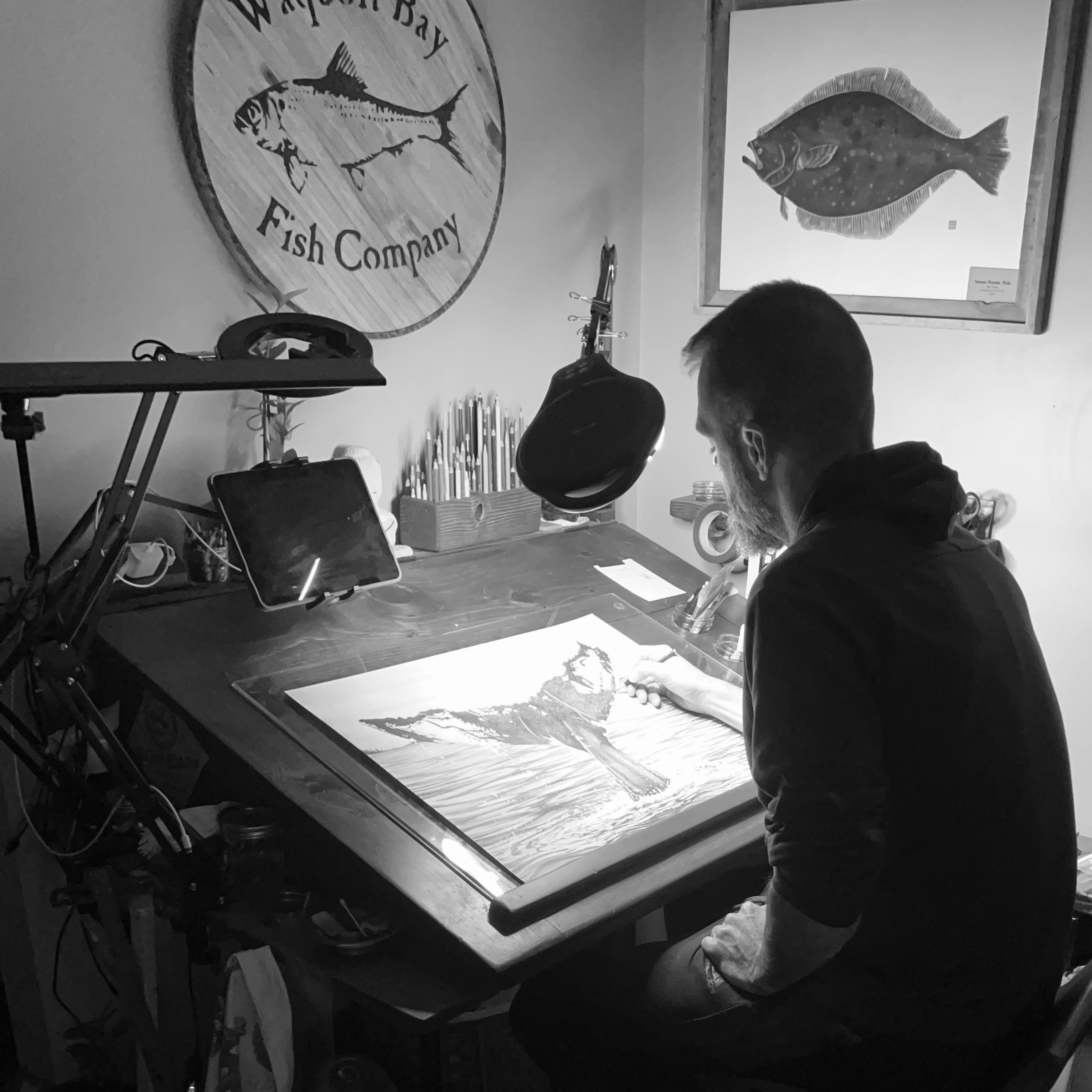
As an artist with a young family, I get a lot of work done in the early morning hours when the house is quiet. I long for the solitude and focus that these moments provide. The solitude, however, can sometimes be overwhelming, especially during the winter months when I have less in-person interaction with customers and followers. Solitude can be the breeding ground of doubt. In these moments, I find myself feeling grateful for the people who support me, including my family, friends, fans, other artists, and the larger creative support network. I appreciate all the people who play a role in supporting my art, and I recognize that you are an integral part of my creative process. Thank you.
Original Fish Prints
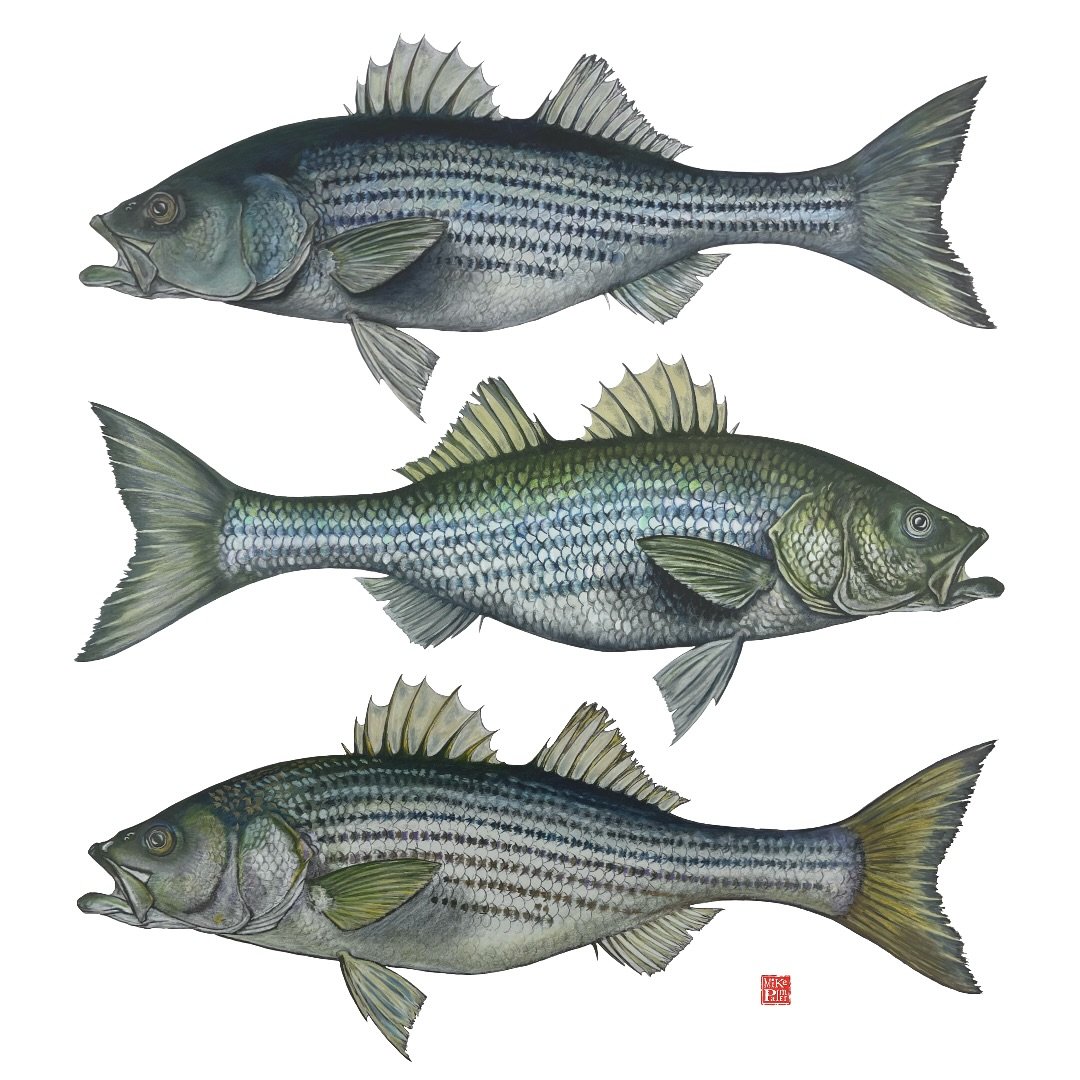
In this blog post I pull back the curtains on my fish print drawing process and describe the two-stage drawing process in depth. The first stage of the process is the grey-scale drawing, where I make reference sketches and a final graphite drawing of the fish. Once the grey-scale drawing is complete, I produce a giclee print of the grey-scale drawing on hemp paper. In the second stage I hand color each print with colored pencils bringing the fish alive with vibrant colors. Each colored-pencil fish print is an original piece of unique art.

Devil’s Purse
Mixed in among the seaweed, eel grass, and bits of crustacean strewn among the wrack line, one can often find black leathery pouches known as a “devil’s purse”. These pouches have a distinctive flattened, rectangular shape with tendrils or horns at the corners, resembling purse strings or devil's horns, hence the name. These odd pouches are actually egg cases produced by a type of fish called skate. Among the most common egg cases found along Cape Cod beaches are those of the clearnose and little skates. While the terms "devil's purse" may not have scientific significance, it provides a way for people to describe and engage with the natural world, linking folklore and natural history.

The Fish Called Grampus
Today the whale species referred to as the grampus is the Risso’s dolphin of the genus, Grampus. Grampus can also refer to various other small black cetaceans like the killer whale or the pilot whale. Of the pilot whales, there are two species - the long-finned (Globicephala melas) and the short-finned (Globicephala macrorhynchus). At-sea they are difficult to distinguish from one another. That said, the colonial and native New Englanders that relied on them for food and oil didn’t bother themselves with such details. Hell, they didn’t bother differentiating fish from whales, though they did spend considerable effort locating, capturing, and harvesting the animal they called grampus, or the blackfish. On Cape Cod, blackfish was an important resource for the native Wampanoag and later the colonial New Englanders that inhabited this land. So important, that both the Pilgrims and Thoreau wrote about it.
The Case of the Vanishing Alewife Run
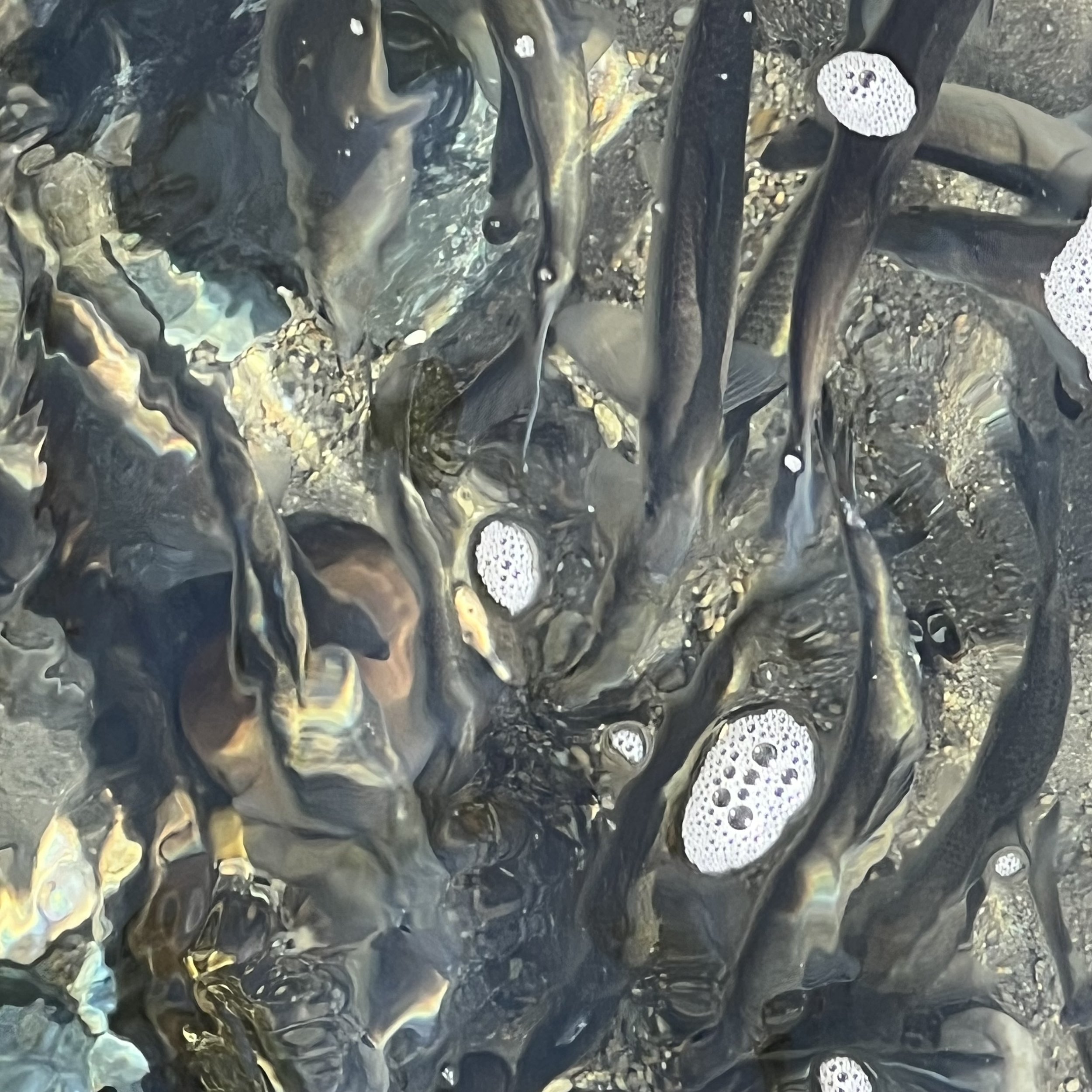
In the woods behind the house there is an old alewife run. The waters of the very upper reaches of the Childs River no longer flow, and the alewife don’t run. Today, the river is little more than a dry ditch snaking through a cathedral-like white pine forest, but it was once an active alewife fishery that harvested upwards of 150 barrels of fish per year. The alewife run was a victim of industry - first mill works and later cranberry harvesting. But alewife runs can return. Throughout New England river passage is being restored through the removal of damns and culverts, and the restoration of river channels. Thanks to these efforts, river herring are returning to native watersheds. While herring runs are being restored all throughout New England, the restoration of the Childs River alewife run is complicated.
Art, Life, and Place: The Crossroads of Creativity, our Identity, and the Environment
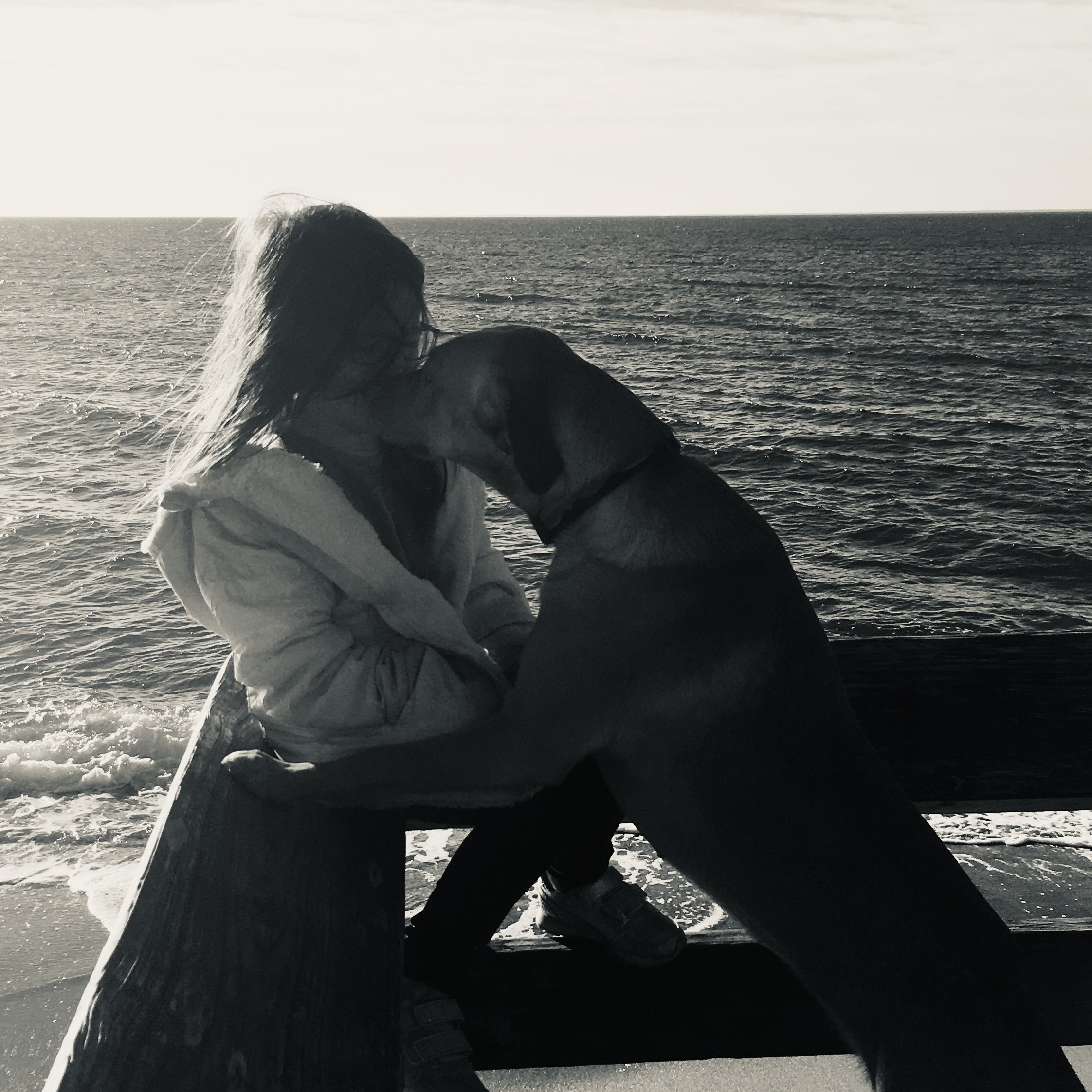
Art and life are inextricably linked, and the places we live shape our experiences and perspectives. Place also plays a critical role in the creation of art. Our sense of place is intimately tied to our sense of self, and the places we inhabit shape our identities and the stories we tell about ourselves. The communities we grow up in, and the landscapes we traverse, all leave their mark on us. They influence our beliefs, values, and perspectives. Art allows us to explore and understand the relationship between place and identity. Art is also a way to share our experiences about place, making it a powerful tool to connect with others and build community.