Reopening the Harvest - Twenty Years Later
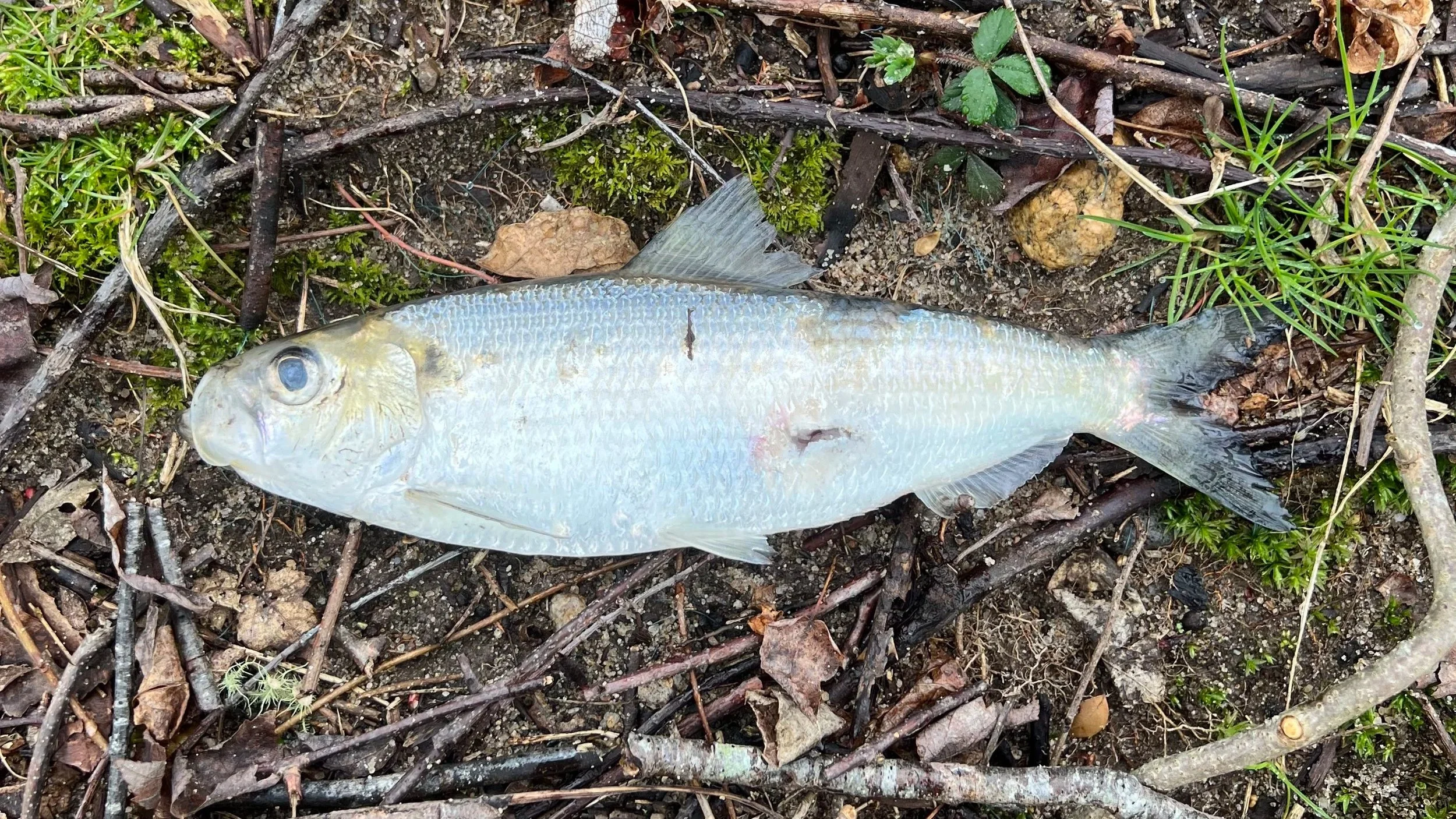
A river herring.
This spring, Harwich is doing something no town in Massachusetts has done in twenty years: reopening a river herring harvest.
That fact alone makes it more than a local story.
Since the statewide moratorium took effect in 2006, closure has shaped the way river herring are understood in Massachusetts. Over time, it has come to feel less like a temporary response and more like a settled condition. A generation has grown up knowing these fish mostly through restoration projects, seasonal counts, and conversations about decline and recovery, rather than through direct use. In that context, Harwich’s decision carries a significance beyond its scale. It suggests that something, however modest, may be shifting.
Still, this is not a broad return to harvest. It is a small, tightly managed opening at a single location, structured through permits, catch limits, reporting requirements, and close oversight. The scale is limited by design. That restraint is part of what gives the decision its weight.
Twenty years is a long time. Long enough for closure to become normalized. Long enough for old relationships to fade and new assumptions to take their place. Long enough that reopening the harvest raises a deeper question than whether one town’s run can support limited use. It asks what recovery is meant to lead to.
For decades, the story of river herring has been one of loss. Runs that once seemed abundant declined under the combined pressures of blocked passage, degraded habitat, poor water quality, and harvest. The response was closure, followed by years of slower, quieter work—restoring habitat, improving fish passage, tracking returns, and trying to understand what recovery looks like in real places over time.
Harwich does not replace that story. It sits within it.
A reopening of any kind suggests some confidence in one system’s recent trajectory. But it also invites a broader question. Is the endpoint of restoration continued protection, or does recovery, at some point, make room for carefully limited use? Not a return to the past, but a different kind of relationship—one shaped as much by restraint as by access.
River herring have never been only ecological actors moving through coastal streams each spring. Historically, they were also part of local life—food, bait, fertilizer, a marker of season and place. Their return was not only biological. It was communal. When the runs declined and harvest ended, that relationship faded as well. In its place came a more distant form of engagement, grounded in science, management, and observation.
There is real value in that distance. Monitoring and restraint have been essential. But they also change the way a species is known. A fish that is counted and protected is not experienced in quite the same way as a fish that remains part of lived seasonal practice. A limited reopening begins, in a careful way, to explore whether some of that connection can return without undoing the gains that made it possible.
The reopening also brings into view perspectives that do not fully align. For some, including members of the Mashpee Wampanoag Tribe, river herring are not simply a resource to be managed, but a culturally significant species with a long history of stewardship and use. In that view, harvest carries a different meaning—one tied to continuity, responsibility, and identity.
At the same time, the Harwich program is structured as a public fishery, open under the same rules to anyone who participates. It does not distinguish between users.
There is an inherent tension in those positions. The idea that a species should be protected from general harvest while remaining available within a more limited cultural context reflects one way of defining stewardship. The Harwich approach reflects another—one that treats access as broadly shared, but tightly regulated. Both exist within the same landscape, and both shape how this moment is understood.
That is where the uncertainty lies.
A reopening can be read as a sign of progress, but it also brings pressure and scrutiny. If it works, it may suggest that tightly bounded use can coexist with stewardship under the right conditions. If it does not, it may reinforce how difficult it is to balance protection and participation. Either way, this feels less like a conclusion than a test.
Not a declaration that the work is finished, and not a return to an earlier era, but an experiment in what recovery might mean after twenty years of closure.
Harwich is not answering that question for every river herring run in Massachusetts. It is exploring one possible answer in one place, under closely watched conditions. Even so, the moment carries weight.
The harvest has been reopened, just a little. And in doing so, it has reopened a larger conversation—about restoration, restraint, and what recovery is ultimately meant to allow.
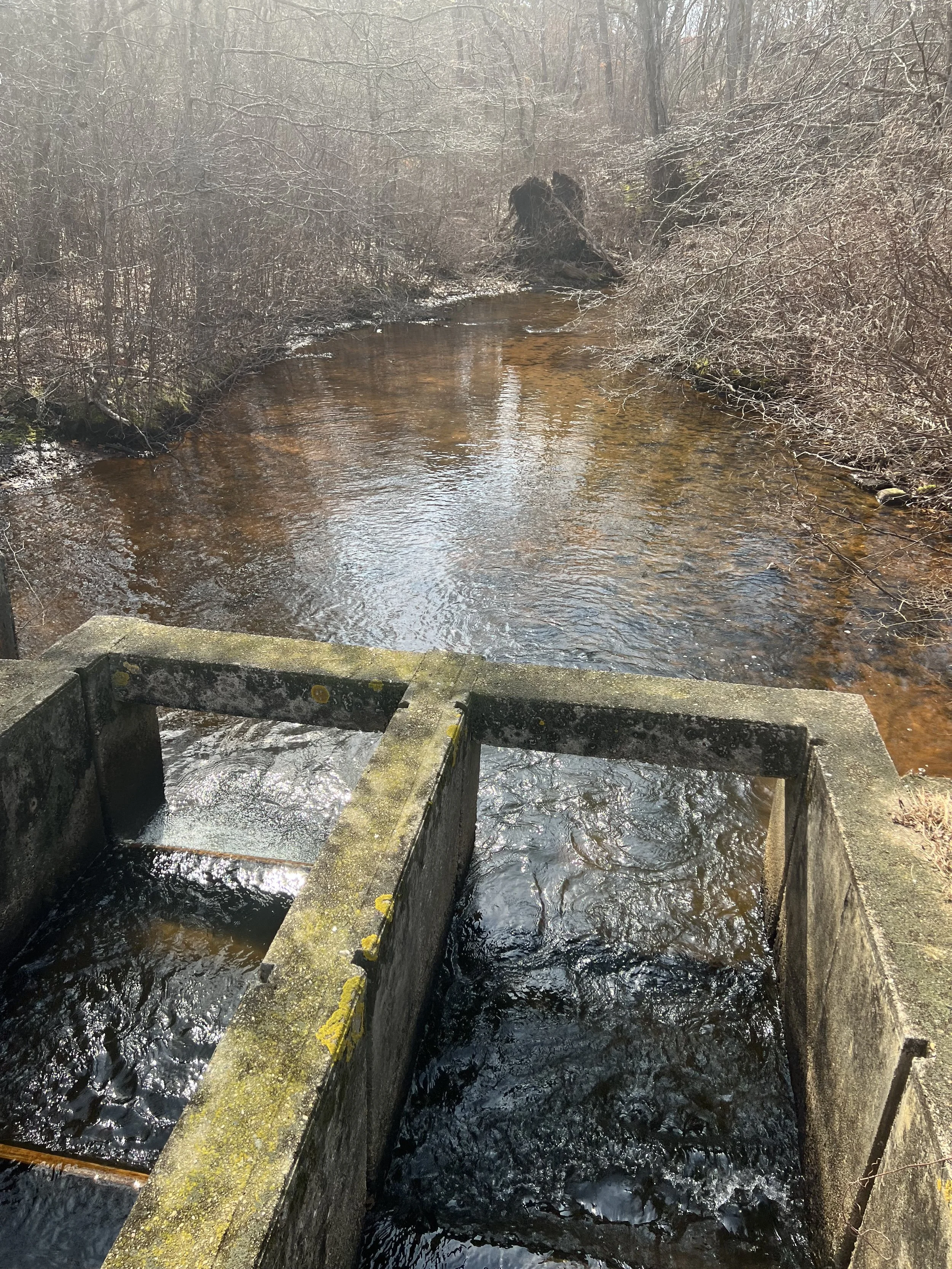
The Herring River in Harwich, MA flowing south from Hinckleys Pond. The 2026 harvest will remove approximately 15-20,000 river herring from the Herring River.