
Art. Life. Place. - A Blog
What We Risk by Not Looking
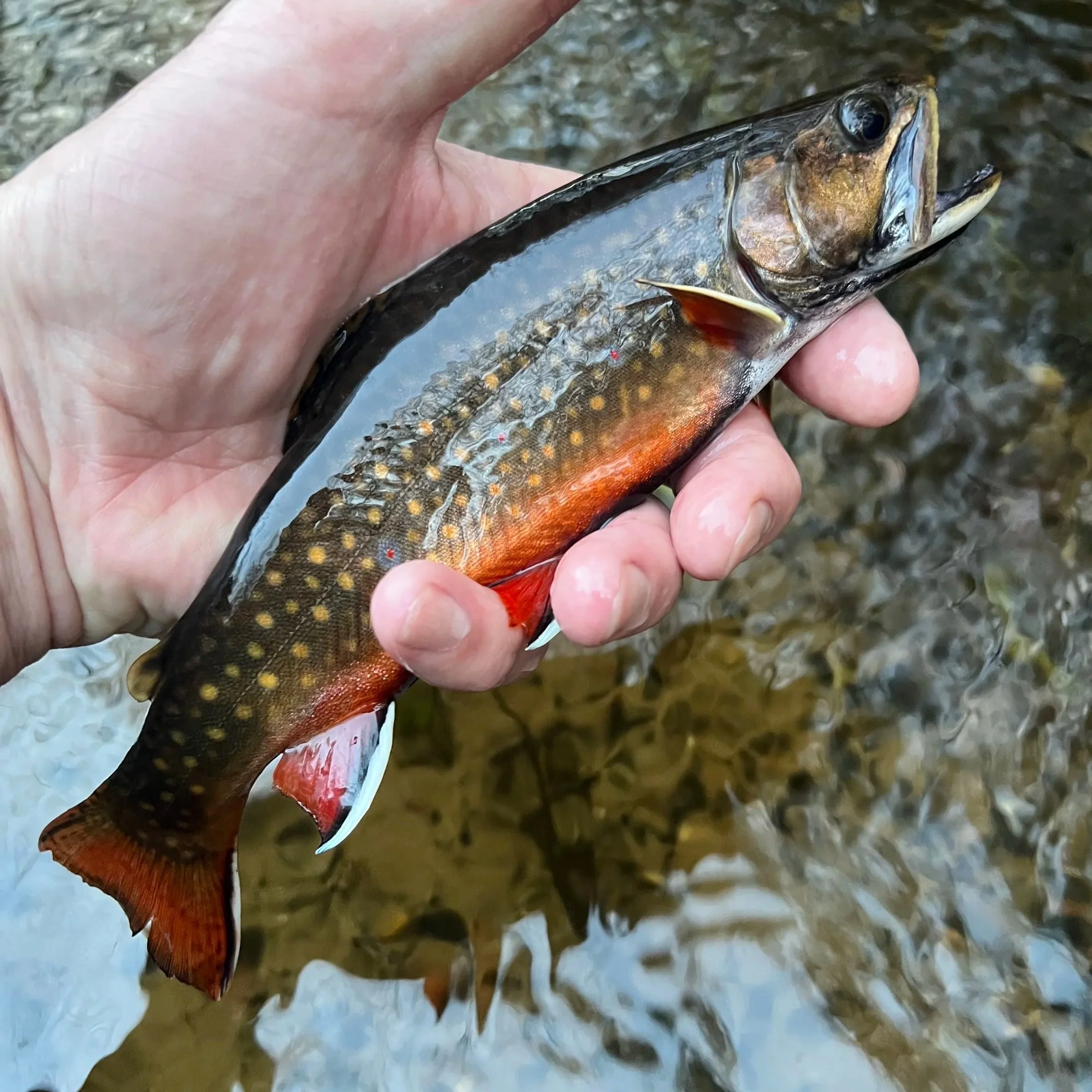
A fall walk along the Upper Quashnet reveals a trout redd in the headwaters—bright, newly turned gravel and the quick, urgent movement of fish using it. It’s the kind of detail that’s easy to miss and hard to replace once conditions shift. With a grandfathered development proposed beside this stretch of river, the focus isn’t simply on whether change happens, but on how it happens: how stormwater is handled, how wastewater is treated, how water balance is maintained, and how long-term operations and maintenance are enforced after construction fades from view. The piece also reflects on what’s at stake downstream—an already stressed bay and decades of restoration work—and why staying engaged in the “how” is one of the most practical things a community can do.

What the River Remembers
I went to the Mashpee Archives expecting dust and nostalgia and found a ledger that lingers in my mind. W.D. Sargent’s 1933 survey reads like field notes I could’ve written yesterday—warm traps, cool seeps, tight valley walls—and then two watercolor plates stops me cold: a 15-inch sea-run brook trout, mid-May, above Amos’ Landing, an 8 ½-inch freshwater form upstream. Not myth but measurements and observations. That pairing—spare notes and two trout watercolor plates, one fresh, one salt—gives me a working hypothesis: keep water cold and moving, keep the bay connected, and this river can write both chapters again. The piece walks from history to a punch list—shade, wood, better culverts, fewer heat traps, protected springs—and asks the only question that matters: could fifteen inches, wild and unstocked, be ordinary again?