
Art. Life. Place. - A Blog
Fish, Numbers, and the Story in Between
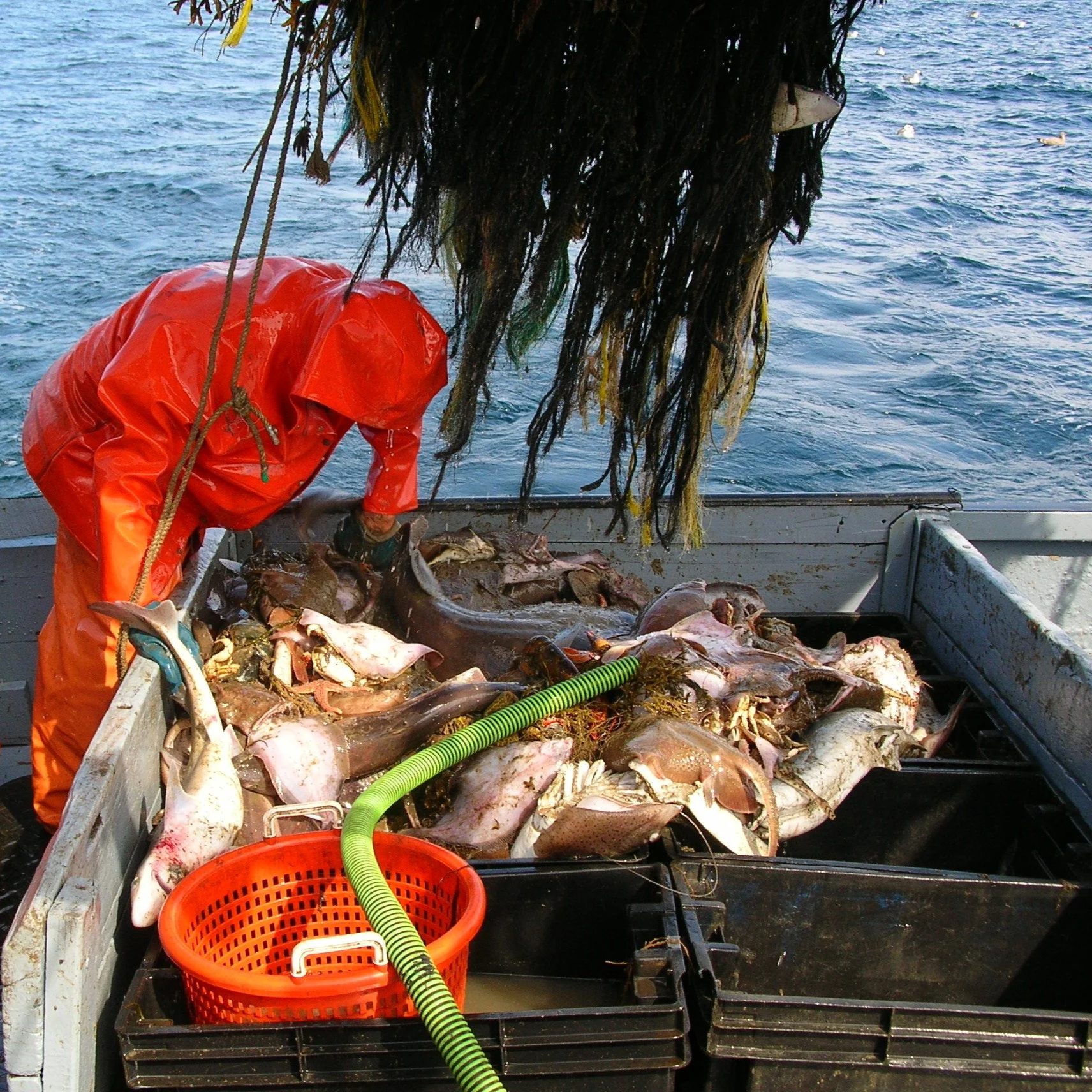
A car ride, a podcast about seafood fraud, and a simple question from my son lead into a deeper truth about fisheries science: much of the data used to manage fish populations does not begin on a research vessel, but with the fishing industry itself. Trip reports, dealer records, observer data, and recreational surveys all help form the scientific picture of what is happening beneath the surface. When those reporting systems break down—or when enforcement fails—the science built on those numbers begins to drift. This essay explores how fish become data, and why the integrity of that record matters far more than most people realize.
Haddock, Quotas, and the Politics of Science
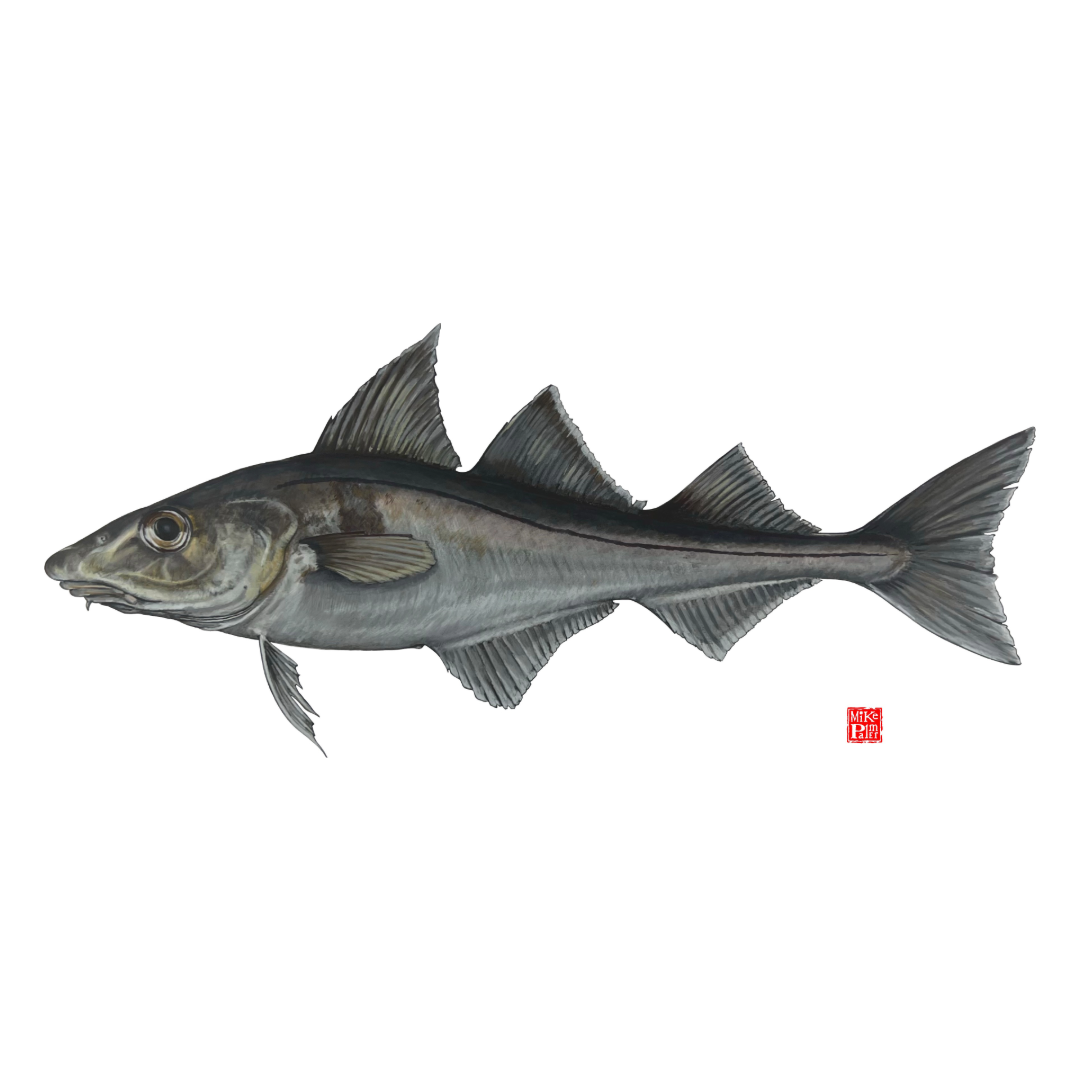
The Gulf of Maine haddock story is a rare case where the science was embraced—right up until the quota tightened. Haddock, the unglamorous workhorse behind New England’s scrod habit, can deliver boom year classes that remake a fishery, and the tension snapped when haddock became limiting at the exact moment fishermen felt surrounded by fish. Alternative narratives surged—most notably a spillover theory from Georges Bank—but the evidence wouldn’t carry them. The real turning point was simpler and more powerful: new, home-grown Gulf of Maine year classes entered the population, the numbers finally caught up, and quotas rose. Just as quickly, the controversy drained away—revealing how often “trust in science” hinges not on the methods, but on whether the answer hurts.

Bankers’ Hours to Bankruptcy: the Collapse of Gulf of Maine Cod
A first-person account of how Gulf of Maine cod went from a seemingly rebuilt stock—fueled by “bankers’ hours” trips close to port and optimistic assessments—to a collapse that rewrote the science, the politics, and my career. Drawing on years spent on NOAA survey decks and in assessment rooms, the piece unpacks how sand lance hot spots, hyperstable catch rates, shifting stock structure, industry-funded “science for hire,” and a rapidly warming Gulf of Maine combined to mask just how deep the trouble ran. It’s a story about models that kept revising the past downward, a management system that leaned on optimism whenever uncertainty appeared, and a once-iconic stock that has since been carved into multiple units on paper even as its regional footprint has faded from the water—and about why, even after walking away from federal cod assessments, I still root for the fish and the communities that rise and fall with them.

What the River Remembers
I went to the Mashpee Archives expecting dust and nostalgia and found a ledger that lingers in my mind. W.D. Sargent’s 1933 survey reads like field notes I could’ve written yesterday—warm traps, cool seeps, tight valley walls—and then two watercolor plates stops me cold: a 15-inch sea-run brook trout, mid-May, above Amos’ Landing, an 8 ½-inch freshwater form upstream. Not myth but measurements and observations. That pairing—spare notes and two trout watercolor plates, one fresh, one salt—gives me a working hypothesis: keep water cold and moving, keep the bay connected, and this river can write both chapters again. The piece walks from history to a punch list—shade, wood, better culverts, fewer heat traps, protected springs—and asks the only question that matters: could fifteen inches, wild and unstocked, be ordinary again?